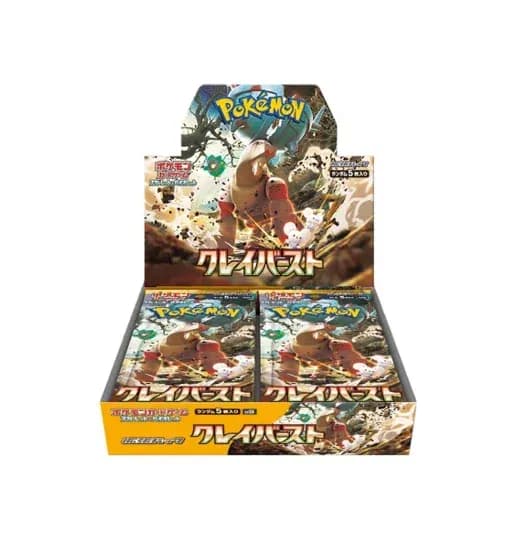
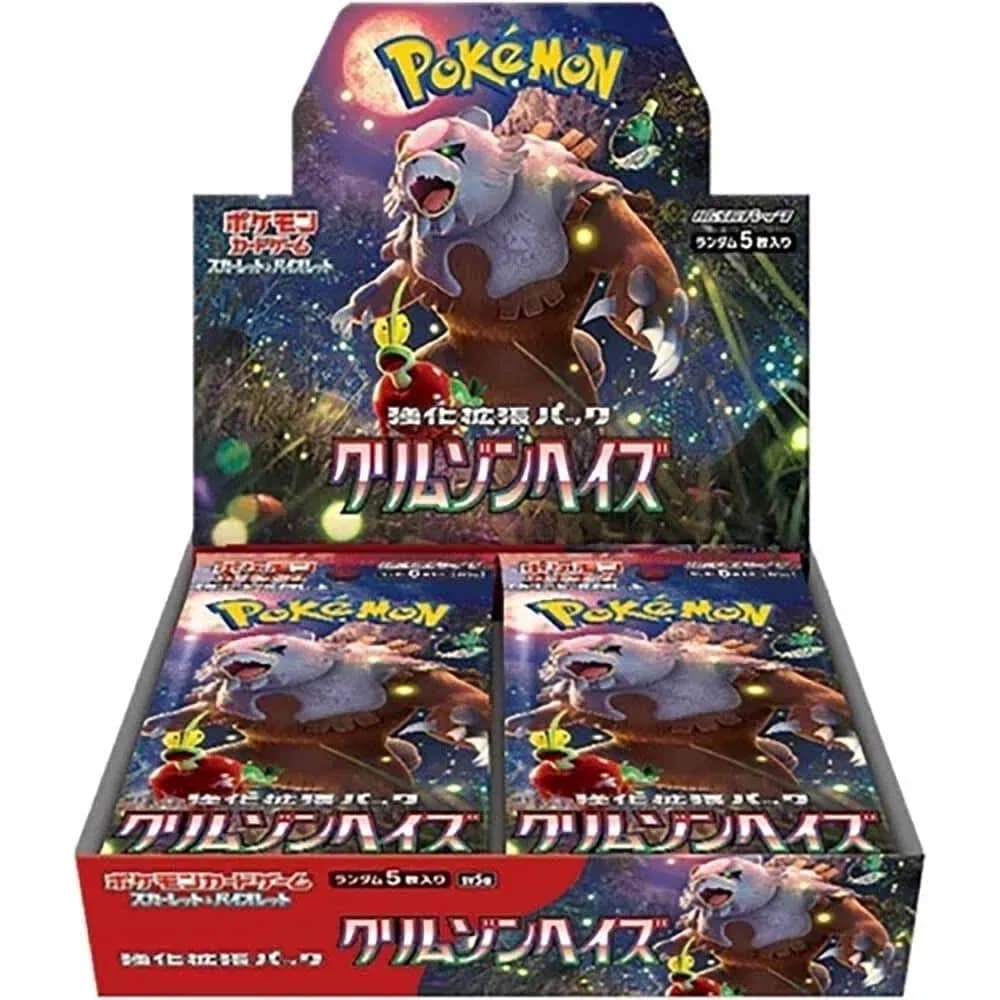
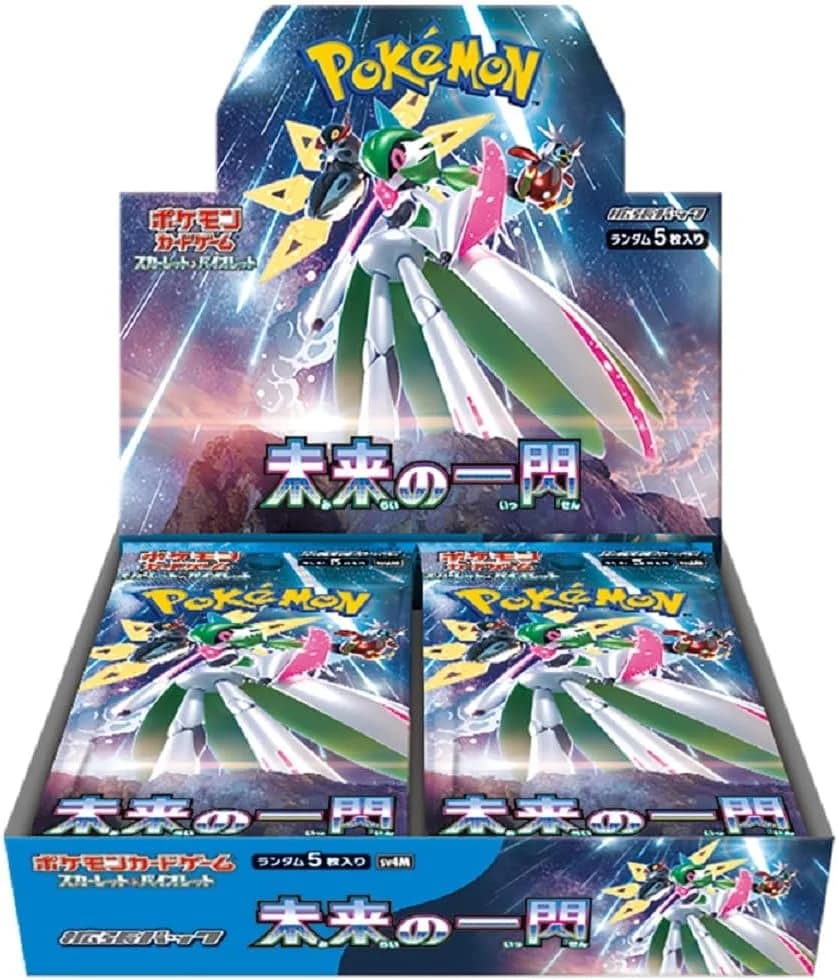
Quick summary: Japanese vs Korean
| Japanese box | Korean box | |
|---|---|---|
| Release | Comes out first | Shortly after the Japanese one and before the English version |
| Cards and artwork | The original set | The same cards and artwork, in Korean |
| Box contents | 30 packs of 5 cards in regular expansions | 30 packs of 5 cards in regular expansions |
| Cost for the shop | Higher | Considerably lower |
| Margin | Very good | Very good; loose packs usually leave an excellent margin |
| Finish | The market benchmark | Good; somewhat more variable according to collectors |
| Collector value | The highest | Lower and more niche |
| Best for | Selling sealed, display and collectors | Loose packs, openings and price-conscious customers |
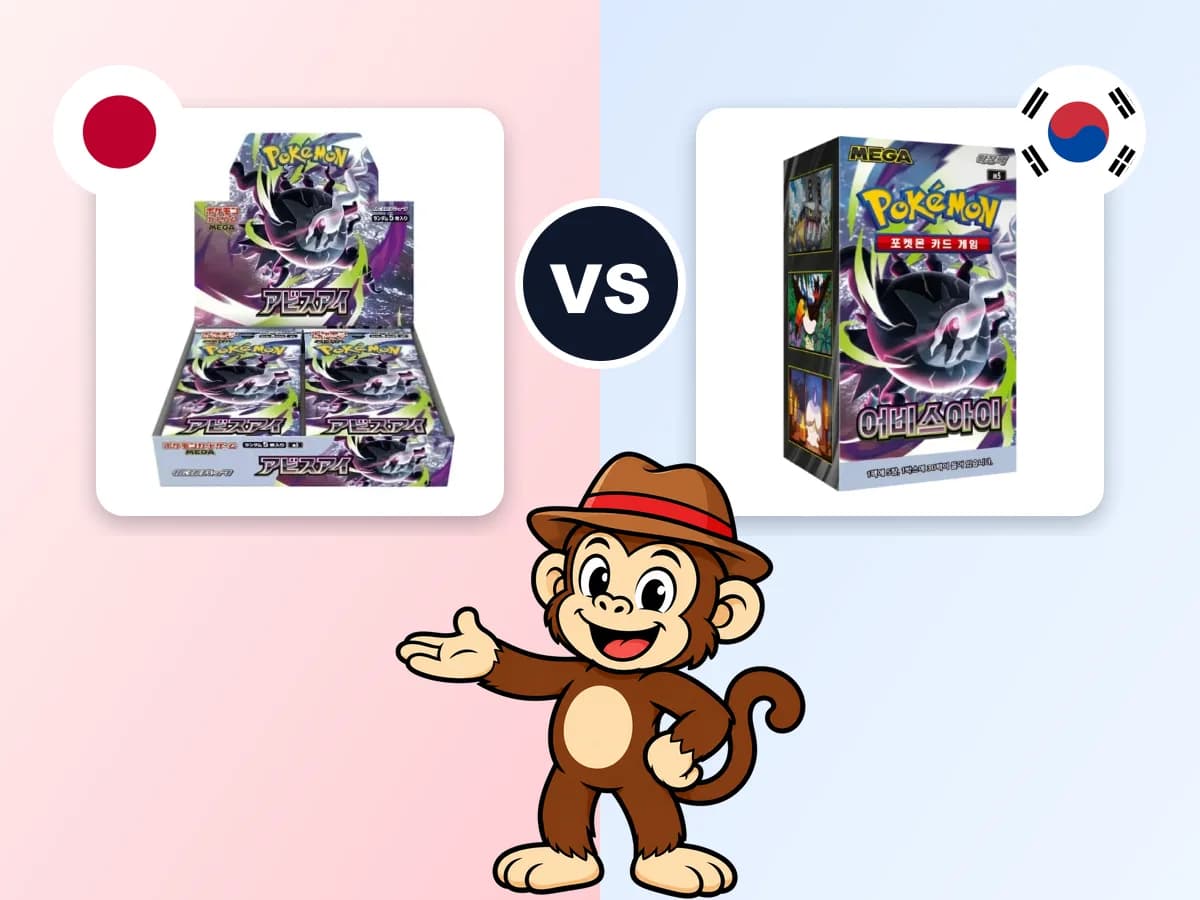
Japanese boxes: pros and cons
Pros
- They come out first: you have the set while everyone is talking about it.
- They are what collectors look for, especially sealed.
- The finish is the benchmark: colours, foil and cut.
- They hold their value better over time.
- A very good margin, especially with the new expansions, which are what sells most.
Cons
- They cost more, so loose packs are more expensive for the customer.
- Availability can be tighter for the most wanted sets.
- They are not legal in official Western tournaments.
Korean boxes: pros and cons

Pros
- Same cards and artwork as Japanese at a considerably lower cost.
- It usually leaves a very good margin, especially on loose packs, since you buy it cheaper and can sell packs at an attractive price.
- Perfect for live openings: customers see the same top cards for less.
- They come out before the English version.
Cons
- Collectors value them less and they appreciate less.
- The finish is good, but somewhat more variable than Japanese.
- Some customers do not know them and need an explanation.
- They are not legal in official Western tournaments either.
Which one suits your shop
| Your customer | Best option |
|---|---|
| Collector looking for a sealed box | Japanese |
| Casual player or kid buying packs | Korean |
| Live openings | Korean for cost, or Japanese of the new set for hype |
| Display and graded cards | Japanese |
| Very price-conscious customer | Korean |
To browse by language, see our Japanese Pokémon and Korean Pokémon pages. To work out the margin of each option, use the calculator in our guide on margin per box and per pack.
How to tell a Japanese box from a Korean one
- The language: Japanese uses kana and kanji; Korean uses the Hangul alphabet, with its circles and lines.
- The logo: the Korean box shows «포켓몬 카드 게임» under the Pokémon logo.
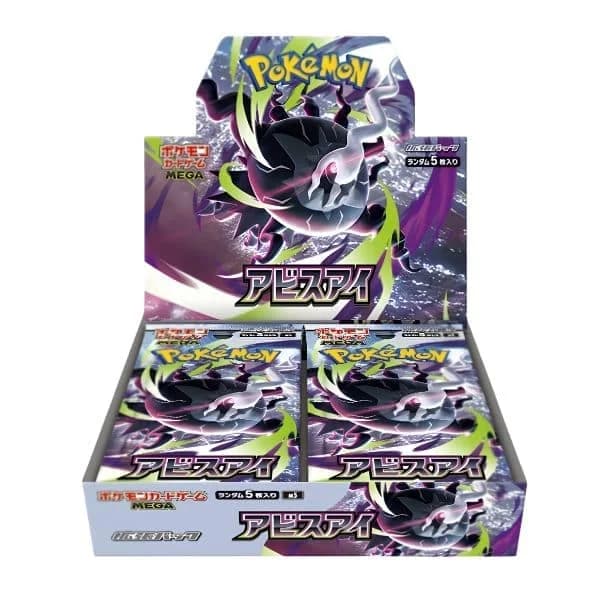
- The set code: usually the same (for example M5 for Abyss Eye), so look at the language, not the code.
Common mistakes

- Thinking Korean is fake: it is official Pokémon product for Korea.
- Not telling customers the language: always say whether a pack is Japanese or Korean.
- Choosing on price alone: a collector who wants Japanese will not settle for Korean.
- Stocking only one language: combining both lets you serve more customers.
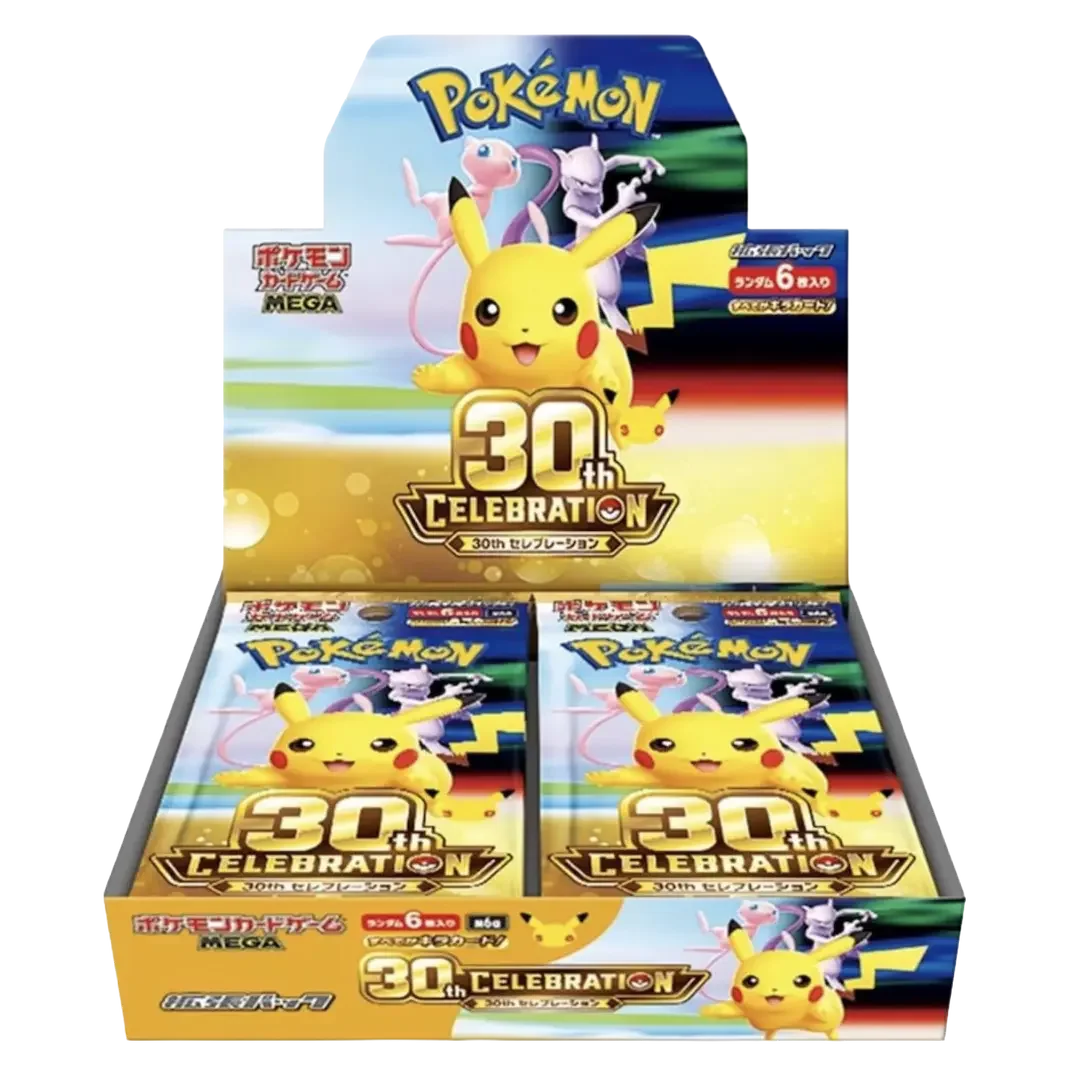
 Japanese