Before you start: what kind of shop do you want?
First decide how you will sell, because paperwork, investment and stock all depend on it. There are three common options:
- Physical shop: a store where you sell, run tournaments and build a community. It builds the most loyalty, but also costs the most (rent, fit-out, opening hours).
- Online shop: your own website, marketplaces and social media. It needs less money up front and reaches the whole country, but you compete on price with many sellers.
- Hybrid: a small store or a corner inside another business (toys, comics, video games) plus online sales. It is the most common low-risk way to start.
If in doubt, starting online or inside a business you already run lets you learn what sells before signing a lease.
Paperwork to open the shop
Selling Pokémon cards does not need a special licence: it is the same as any other retail business. The details depend on your country, but you will usually need to:
- Register the business as self-employed or as a company.
- Register for VAT and check which scheme applies to small retailers in your country.
- Get the local permit to open premises, if you will have a physical store.
- Take out liability insurance for the store and events.
- Publish the legal pages if you sell online: legal notice, privacy and cookies (GDPR) and terms of sale.

Your first stock: what to buy
The most common mistake is trying to stock everything from day one. Start with a few products that sell fast and expand based on what customers ask for:
- 1
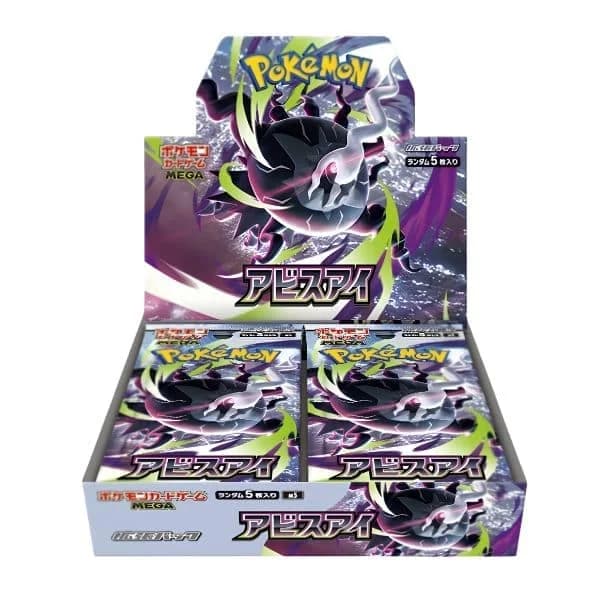
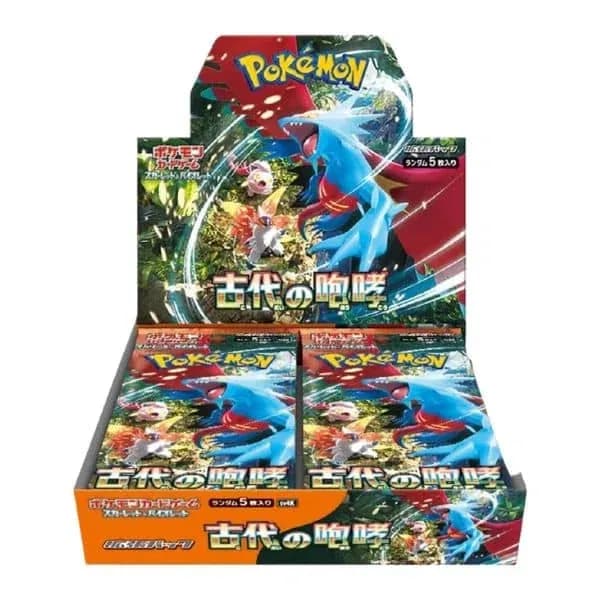
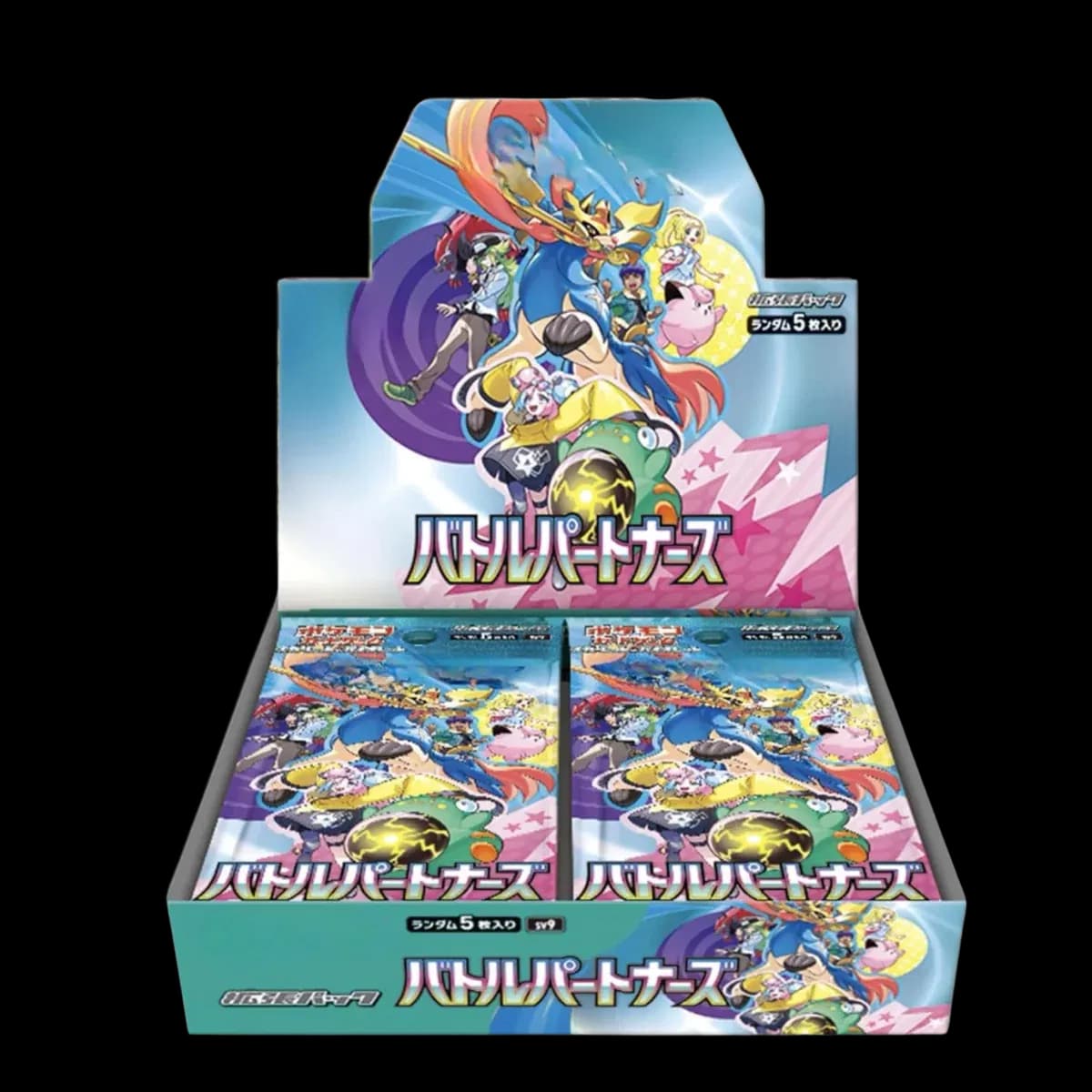
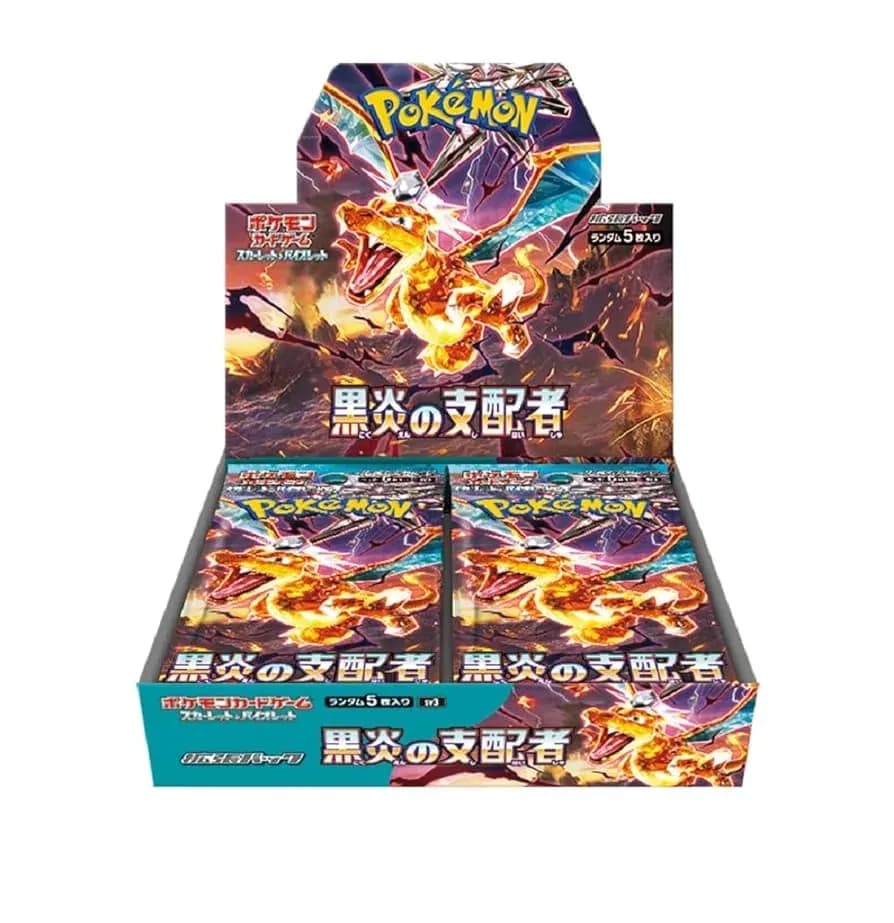
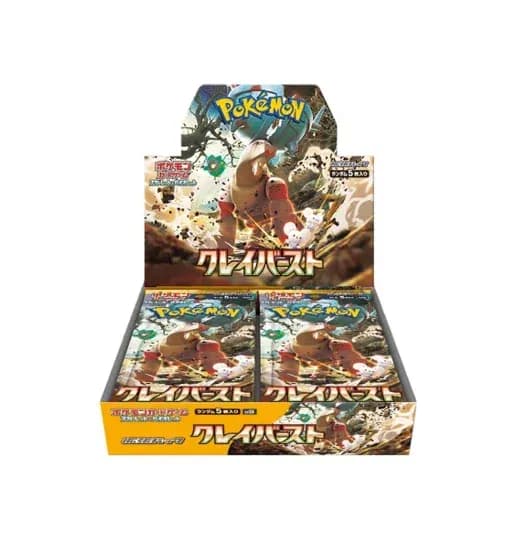
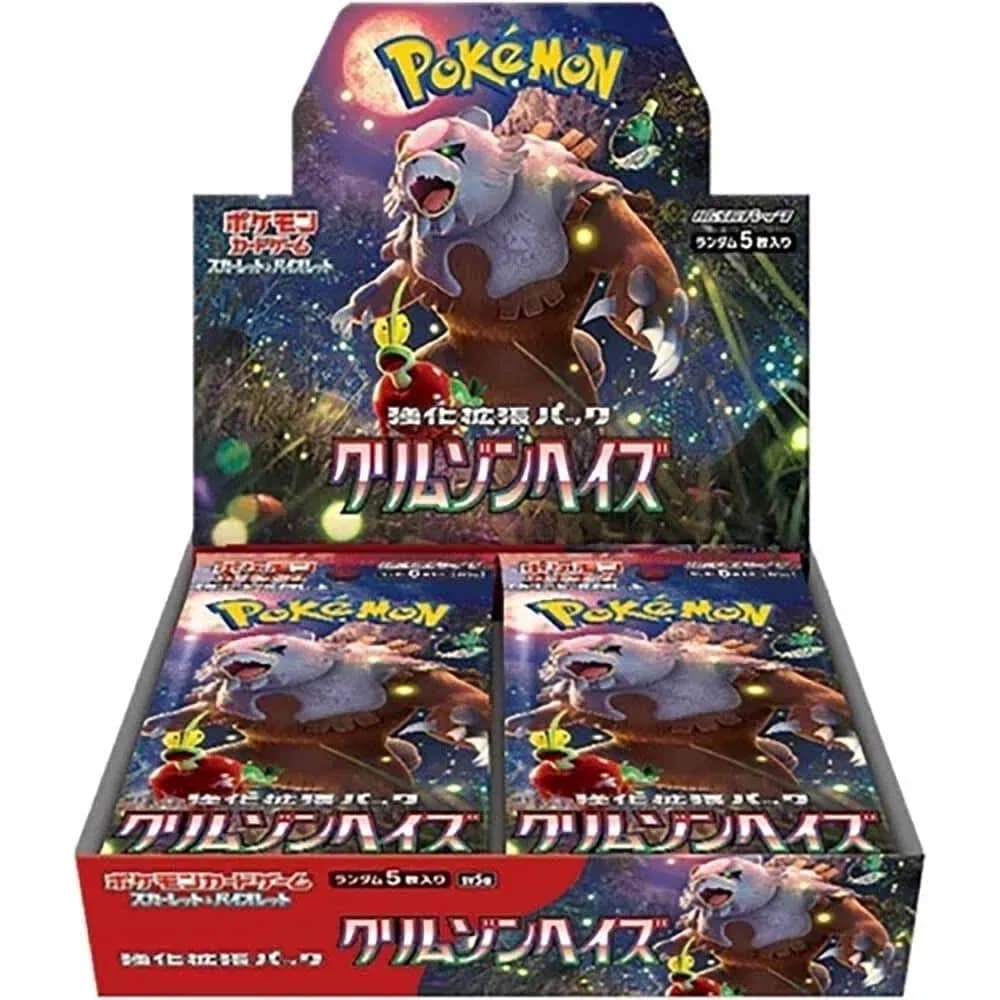
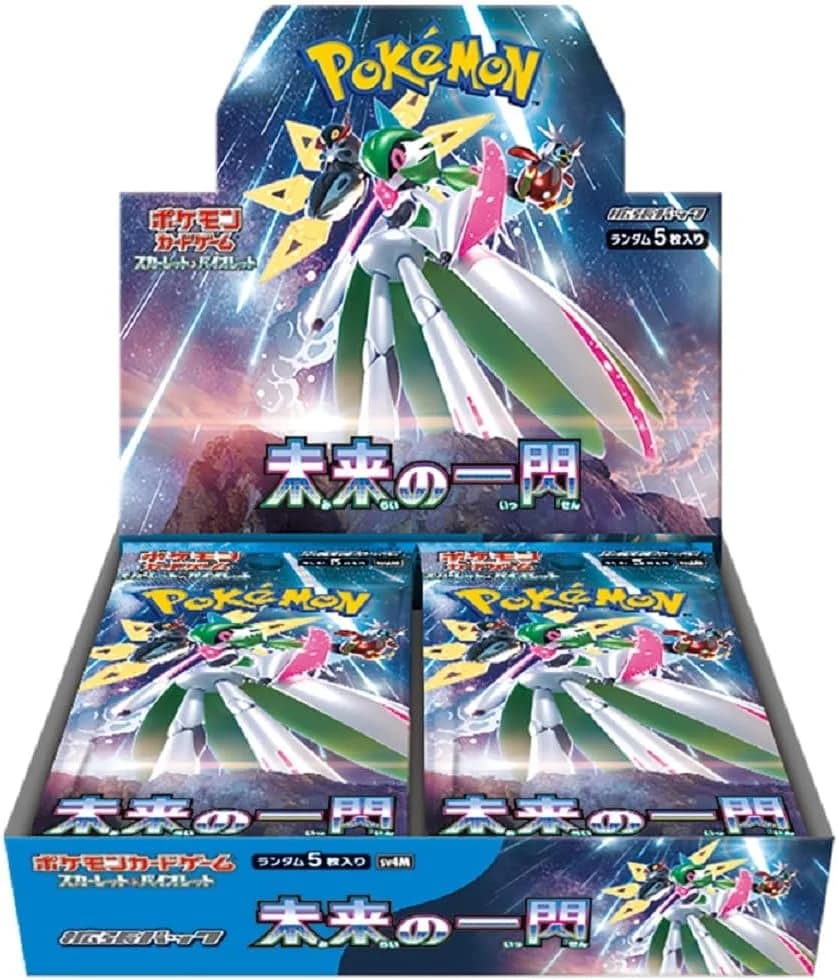
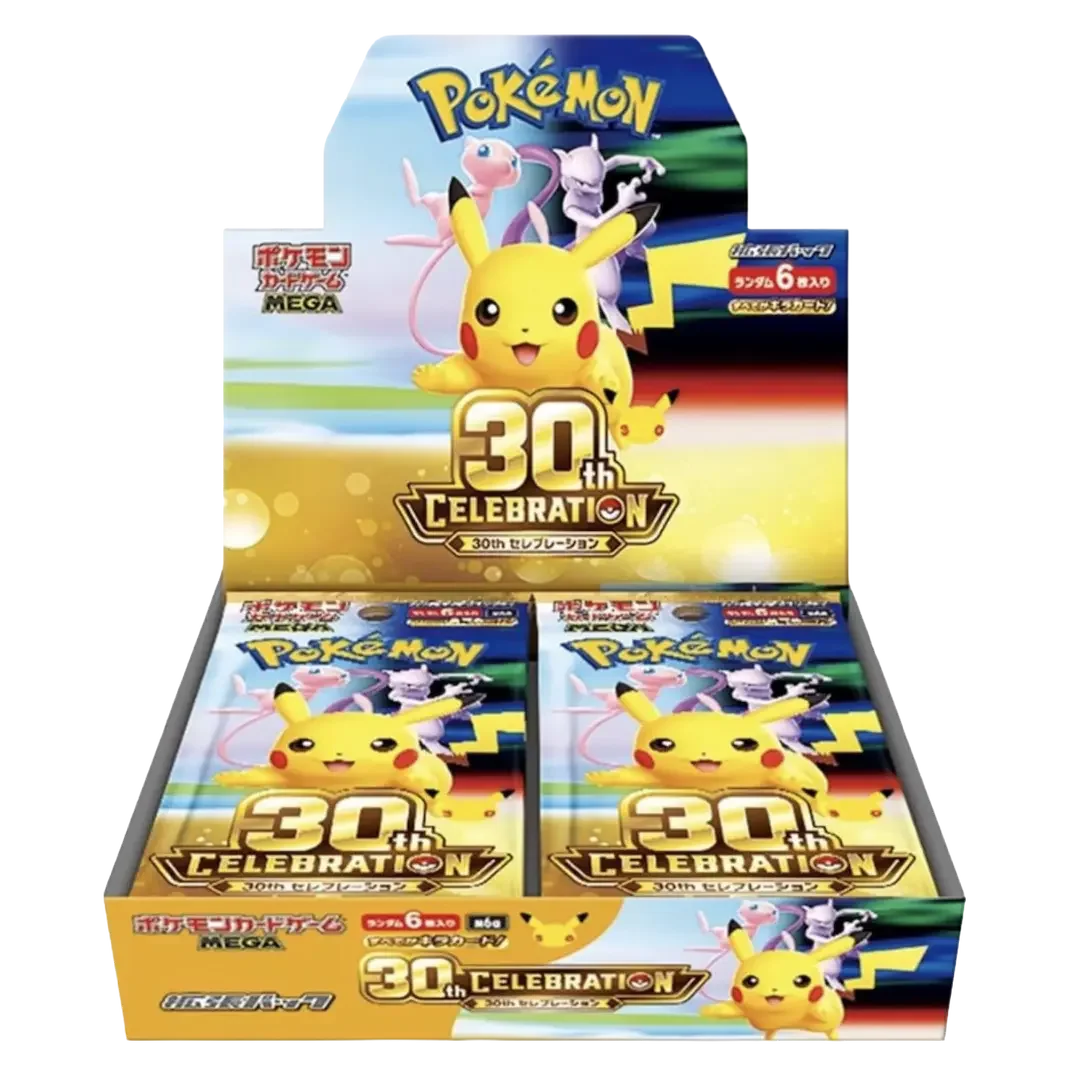
The current set in Japanese
Booster boxes of the latest set are what people look for. Sell them sealed or open them to sell loose packs. See which cards drive each set in our news. - 2
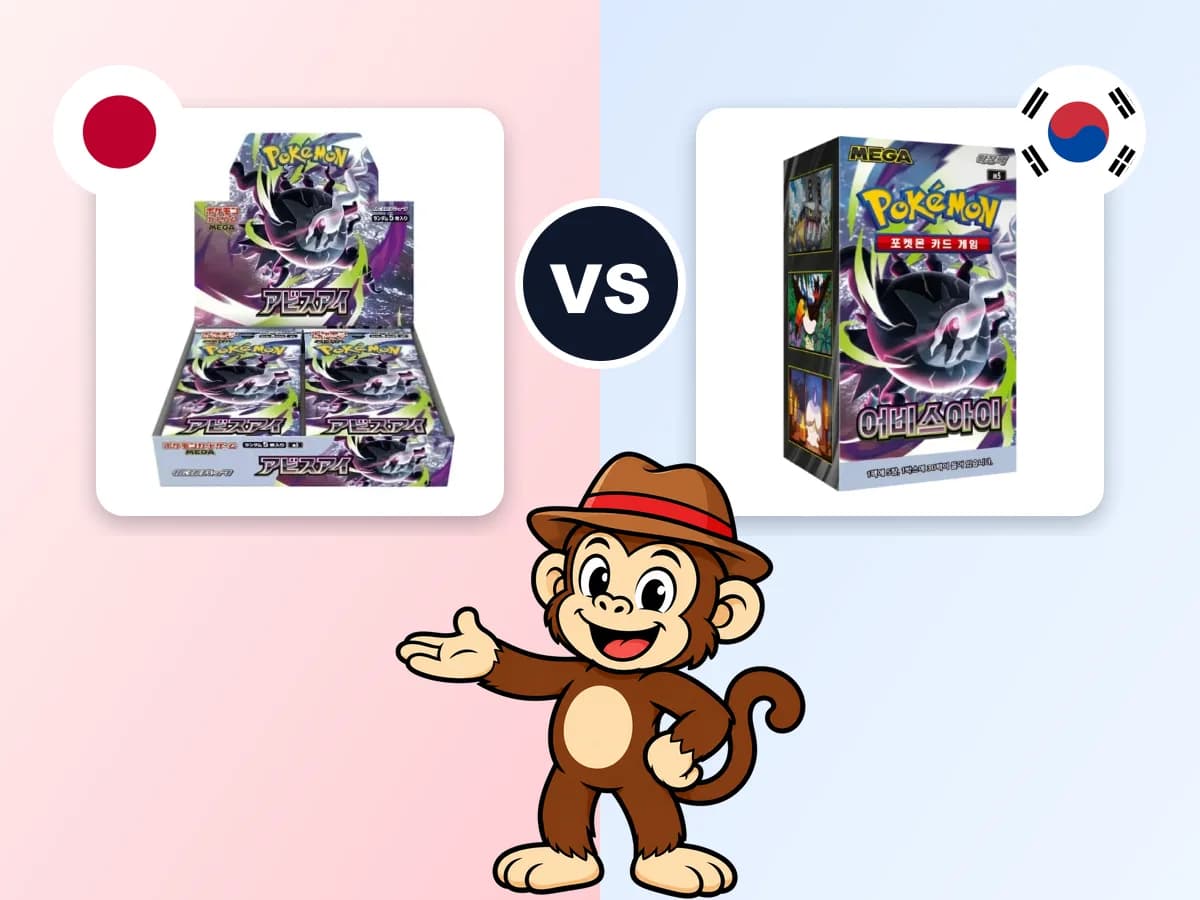
Korean Pokémon for loose packs
Same artwork as Japanese at a lower cost, so it leaves a good margin per pack. More on Korean Pokémon. - 3
Entry products
Decks and simple products for new players and gift buyers. - 4
Accessories
Sleeves, binders and toploaders sell alongside the cards and usually leave a good margin.
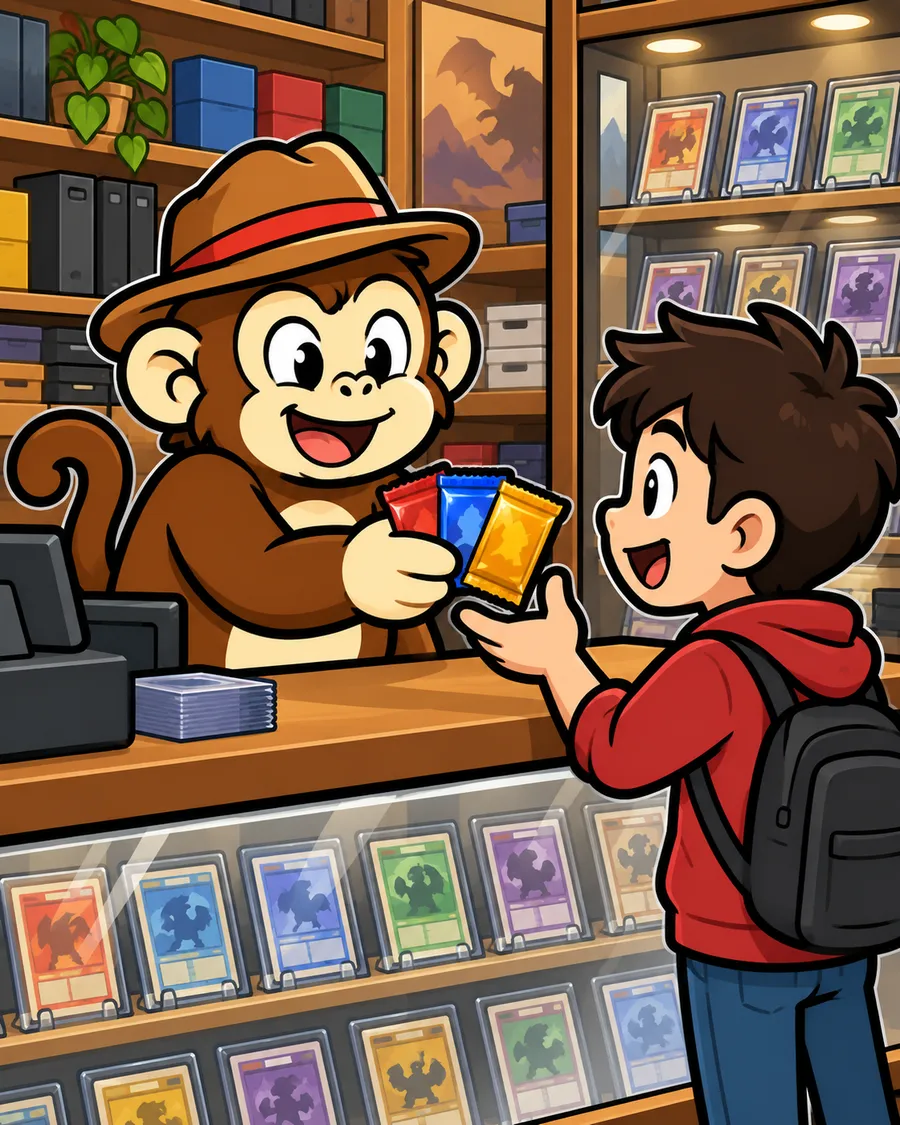
To see how much you can make on each box, read our guide on margin per box and per pack, which includes a calculator.
Example of a first order
Every shop is different, but a balanced first order for a small shop usually looks something like this:
| What | Why |
|---|---|
| 2-3 booster boxes of the latest Japanese expansion | Sell them sealed to collectors and open one for loose packs |
| 1 box of the previous expansion, if it still sells | An alternative when the new one sells out |
| Pre-order of the next expansion | Stock on launch day, when most sales happen |
| Basic accessories (sleeves, toploaders, binders) | Add-on sales with every purchase, with a good margin |
It is only a guideline: adjust it to your budget and to what your customers ask for. The key is to start with products that sell and to reserve the next expansion in time.
Which languages to sell
More and more European shops stock Asian product, because it releases first and has exclusive cards:
- Japanese: the collectors' favourite. Sets release first and the print quality is the benchmark.
- Korean: the same cards as Japanese at a lower cost. Ideal for loose packs and openings.
- Chinese: exclusive products that do not exist in other languages, to stand out.
- English or your local language: the official European product, needed if you host official tournaments.
Where to sell: store, website, marketplaces and social media
Almost no shop sells through a single channel today. The usual mix is:
- The store, for daily sales, loose packs and events.
- Your own website, for reservations, pre-orders and customers further away.
- Card marketplaces, to sell singles and reach more people (with their fees).
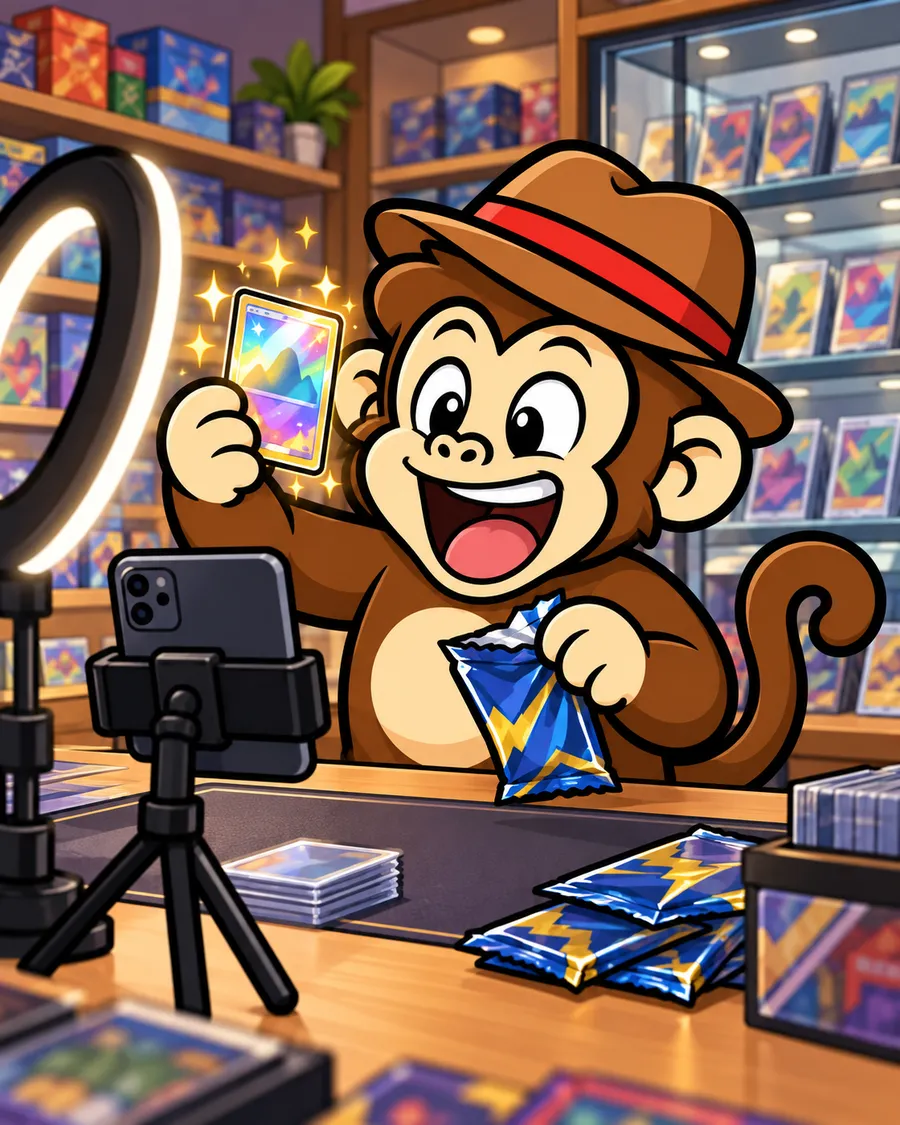
- Social media and live streams: live pack openings on TikTok, Instagram or Twitch are one of the best ways to sell packs today.
Startup costs: physical shop vs online

There is no single figure for opening a card shop, but there is a clear list of costs. This is what you will need to budget for in each case:
| Cost | Physical shop | Online shop |
|---|---|---|
| Initial stock | Yes | Yes |
| Rent and deposit for premises | Yes | No |
| Fit-out, furniture and display cases | Yes | No |
| Tables and chairs for tournaments | Recommended | No |
| Website or online store | Recommended | Yes |
| Marketplace and payment fees | If you sell online | Yes |
| Shipping and packaging | If you sell online | Yes |
| Card terminal | Yes | No |
| Liability insurance | Yes | Recommended |
| Accountant | Recommended | Recommended |
The first 90 days
- 1
Month 1: open with the current set
Stock the latest set, show the hits on social media and build a customer list (WhatsApp, Instagram) to announce new arrivals. - 2
Month 2: openings and events
Run live openings and an in-store event. They tell you which sets and languages your customers want. - 3
Month 3: community and pre-orders
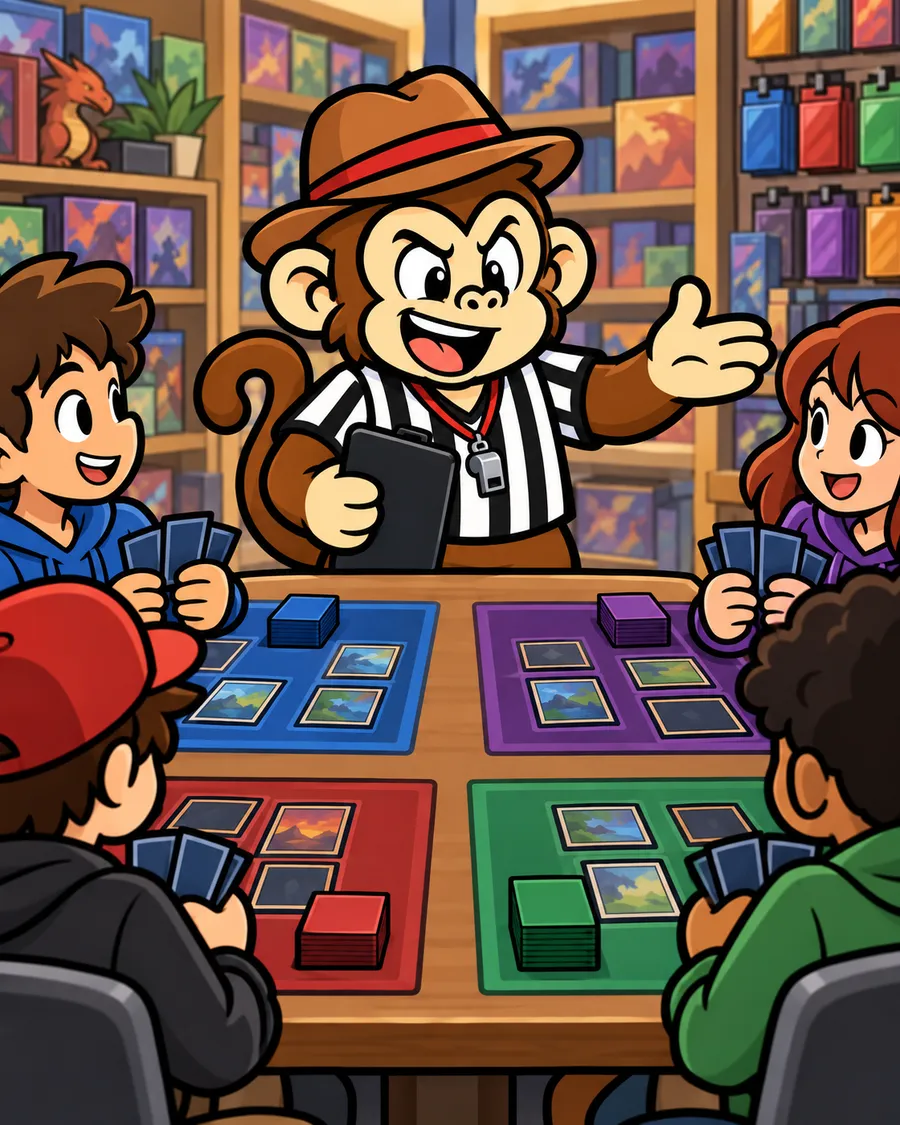
Start a weekly league or tournament, open pre-orders for the next set and adjust your orders to what actually sells.
How to compete with big online stores

It is one of the most common worries: if a big online store sells the same box for less, how do I compete? The short answer is not to compete on the price of the sealed box alone:
- Community: leagues, tournaments and meet-ups. A website cannot offer that.
- Loose packs and openings: customers want to open a pack today, not wait for a delivery.
- Products not everyone has: Japanese, Korean and Chinese sets, and pre-orders for new expansions.
- Service and advice: knowing what each set contains and recommending to each customer.
- Accessories and singles: add-on sales with a good margin that do not depend on the box price.
Common mistakes when starting out

- Trying to stock everything: many slow-moving products tie up your money.
- Not reserving the next expansion: running out of stock on launch day means missing the best sales of the set.
- Buying without an invoice: you cannot reclaim VAT or prove the product is genuine.
- Pricing without checking the market: customers compare prices online in seconds.
- Opening boxes with nowhere to sell them: loose packs sell fast at the counter, at events or live, but without a physical place they are hard to move.
- Not tracking what sells: without data, every order is a gamble.
Choosing a supplier
Your supplier sets your margin and guarantees the product is genuine. Before your first order, read our guide on where to buy Pokémon booster boxes wholesale: what to ask and which warning signs to look for.
Don Bananza is a Pokémon card distributor for shops only, with Japanese, Korean and Chinese Pokémon, pre-orders and shipping from Spain.
 Japanese